A finished American Bresse table bird is rarely sold and is priced per bird by the farm, well above a supermarket chicken. The clearer numbers are on the raising side: chicks about $10–15 each, hatching eggs about $60–120 a dozen, started birds $45 and up. The eye-watering restaurant figure belongs to France's AOC original. The American line is the affordable, raise-it-yourself version of the same bird.
What Bresse meat costs, by form
A dressed, finished American Bresse rarely comes up for sale at all. Small farms raise table birds in small batches, and waitlists claim most of them before processing day. When one is sold, the farm prices it per bird, well above a supermarket chicken, and the feed bill says why. So the numbers that help most readers are on the raising side, where prices are public and steady.
| What you're buying | Typical US price |
|---|---|
| Finished table bird, dressed | Rarely sold; priced per bird by the farm, well above a store chicken |
| Day-old chicks, straight run | About $10–15 each; less per bird in larger lots |
| Hatching eggs, by the dozen | About $60–120 a dozen, by line and reputation |
| Sexed chicks / started birds | $45 and up, each |
| Restaurant plate (French AOC original) | Several times a plain chicken; tens of dollars for the bird alone |
Where each of these comes from is its own page: where to buy Bresse chicken meat. If you are weighing the cost against the cheaper fast bird, the Bresse vs Cornish Cross comparison lays that trade out.
Why the price sits where it does
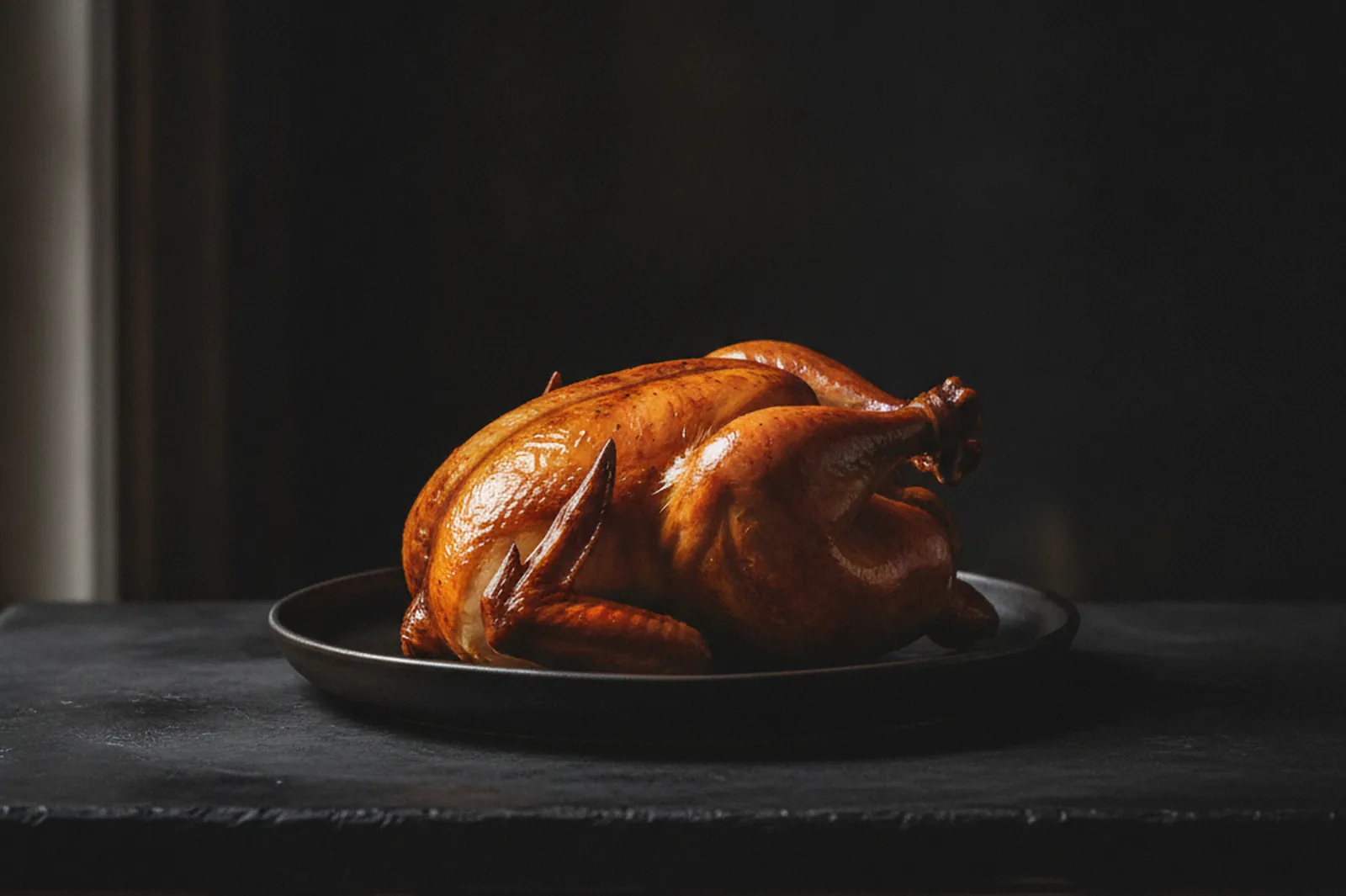
The premium is not a markup on a famous name. An American Bresse takes 14–19 weeks to finish, roughly three times a store broiler, which means about three times the feed and three times the care per bird. It comes from small farms raising small batches, not an industrial line pushing thousands a day. Slow growth plus limited supply plus a hands-on finishing stage is a cost floor no production bird has to clear. What those weeks buy (the marbling, the fine bone, the flavor) is the breed's own story, told in full at AmericanBresse.com. The point on this page is narrower: the price is the cost of the method, nothing more.
So the useful way to read a Bresse price is not "why is chicken this expensive" but "what am I getting for it." You are paying for a heritage table breed bred for centuries toward flavor, finished by hand, in numbers that will never be cheap. The tasting notes describe what lands on the plate at the end of that bill.
Is that farm's Bresse price fair? Would raising the bird cost me less than buying it? Get Your Answers Live at the Weekly Coffee Hour Q&A.
Join the call on Monday (Free)Why most people raise it instead of buying it
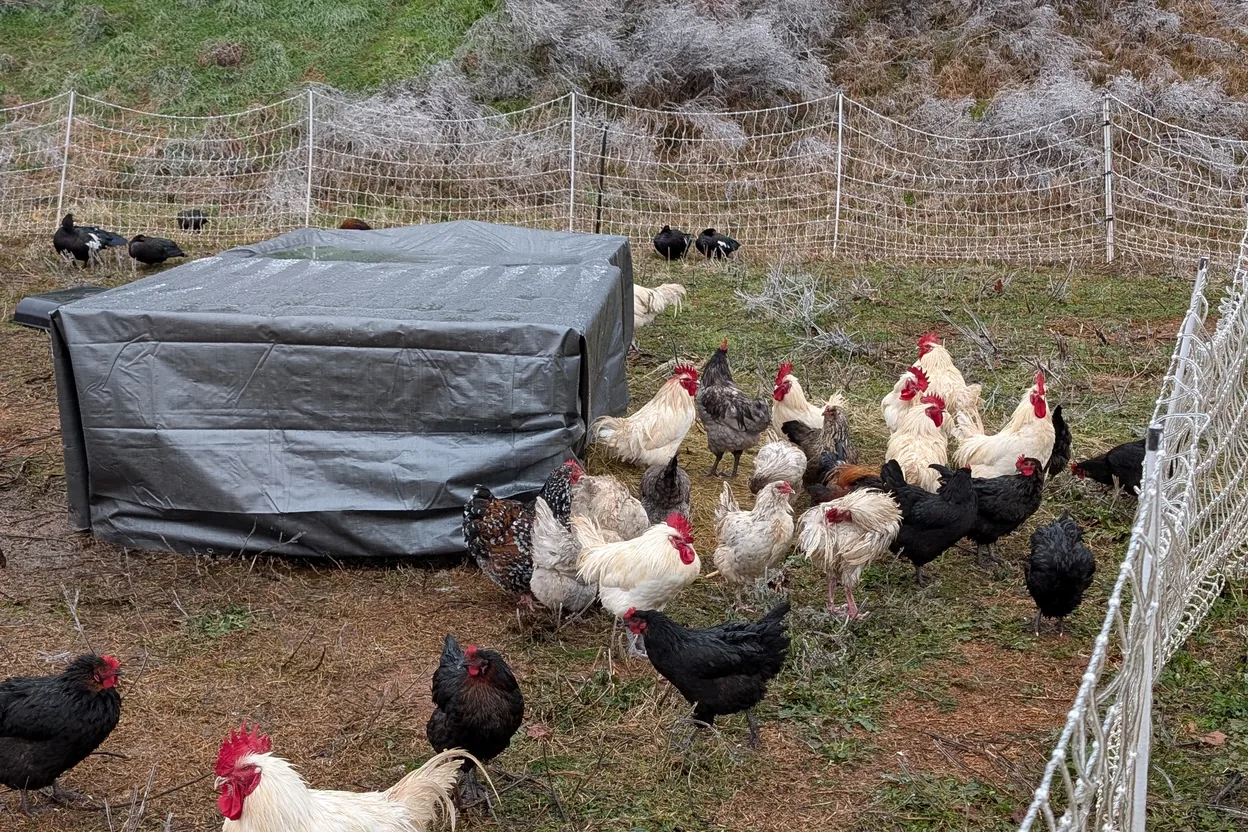
Because the finished bird is so scarce, most readers end up where I keep pointing: raise it. Raising spreads the cost into feed and time rather than one high per-bird price at a farm gate, and it puts the schedule in your hands. A straight-run box of chicks, unsorted by sex, does double duty. The cockerels grow out as table birds; the hens become a laying flock at 200–250 eggs a year, and those eggs offset part of the feed bill. It is still not cheap protein. A Cornish Cross will always beat it on cost per pound. But if the goal is this specific bird on your own table, raising it is the realistic path, and often the only one. What one finished bird then yields on the cutting board is laid out on the cuts and carcass page.
Take the guide with you
This chapter lands in your inbox with the rest of the guide: all 6 chapters. Then the working emails start, one job at a time: the farm search, the price check, the first roast. They run until a marbled bird you raised or sourced yourself is on your own table.
Bresse meat price questions, answered
How much does American Bresse meat cost?
A finished American Bresse table bird is rarely sold and is priced per bird by the farm, well above a supermarket chicken. The clearer numbers are on the raising side: day-old chicks typically run about $10–15 each, hatching eggs about $60–120 a dozen, and started birds $45 and up. Most people who eat this meat raised it themselves, because the finished bird is thin on the open market.
Why is Bresse chicken meat so expensive?
Because it takes 14–19 weeks to finish — about three times a store broiler — so it eats three times the feed and takes three times the care per bird, and it comes from small farms in small batches rather than an industrial line. The slow pasture-then-finish method is the whole point, and the price is the cost of the method, not a markup on the name.
How much does Poulet de Bresse cost in a restaurant?
The French AOC Poulet de Bresse is widely called the most expensive chicken in the world and sells for several times the price of an ordinary bird; on a plate it can run into the tens of dollars for the bird alone. That is the protected French original, which cannot be imported live. American Bresse is the affordable, raise-it-yourself line of the same bird on this side of the Atlantic.
Is it cheaper to raise Bresse than to buy the meat?
For most people, raising it is the only way to get it at all, and it spreads the cost into feed and time rather than one high per-bird price. A straight-run box of chicks also becomes a laying flock, so the eggs offset part of the feed bill. It is not cheap protein — a Cornish Cross is far cheaper per pound — but it is the realistic path to the finished bird.